Introduction: Not a Hill Station, Not a Picnic Spot—Mainpat Is a State of Mind
If you’re expecting Manali-style crowds, flashy cafés, or Instagrammable chaos, stop reading now. Mainpat is not here to entertain you. It exists on its own terms.
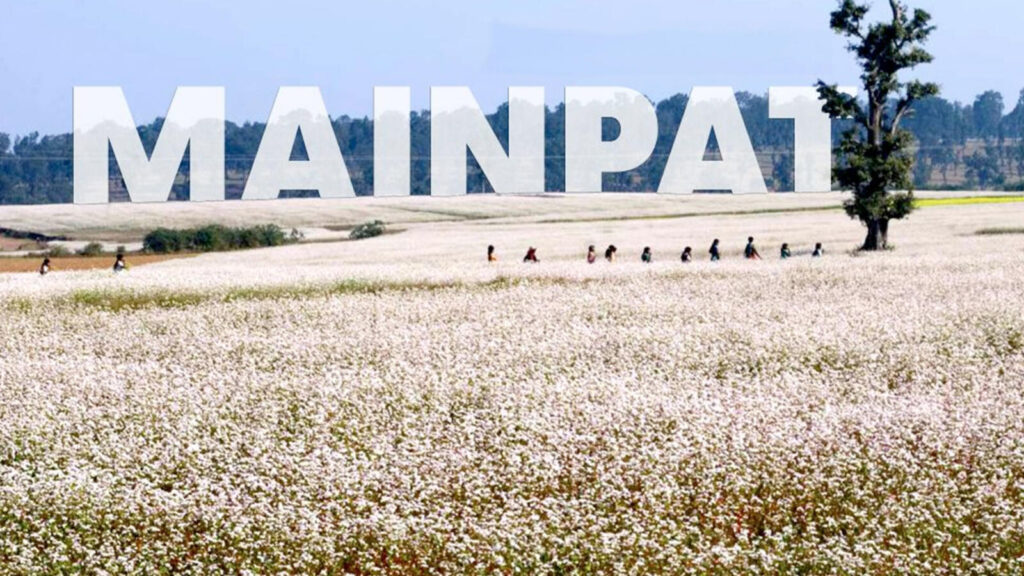
Perched on a high plateau in the Surguja district of Chhattisgarh, Mainpat is often called the “Shimla of Chhattisgarh.” Honestly? That comparison does Mainpat a disservice. Shimla is noisy, overbuilt, and exhausted. Mainpat is raw, quiet, and unapologetically slow.
This is a place where:
- Waterfalls don’t announce themselves.
- Roads disappear into forests.
- Locals don’t perform culture for tourists—they live it.
- Silence is not empty; it’s full.
Mainpat doesn’t try to impress you. And that’s exactly why it stays with you long after you leave.
Where Is Mainpat and Why Does It Feel So Isolated?
Mainpat is located around 55 km from Ambikapur, the district headquarters of Surguja. Sitting at an elevation of about 1,100 meters above sea level, it’s technically a plateau—not a typical hill station. That geography matters because it shapes everything: climate, agriculture, lifestyle, even psychology.
Getting here is not effortless:
- Roads are scenic but narrow.
- Public transport is limited.
- Mobile network fades in and out.
And that’s the point.
Mainpat has been spared the curse of overdevelopment precisely because it’s inconvenient. People who reach here actually want to be here—not just tick a destination off a list.
Climate: A Rare Gift in Central India
Let’s be blunt: Chhattisgarh is brutally hot most of the year. Mainpat is the exception.
- Summer (March–June): Pleasant, cool evenings, mild days.
- Monsoon (July–September): Lush, misty, dramatic waterfalls—but tricky roads.
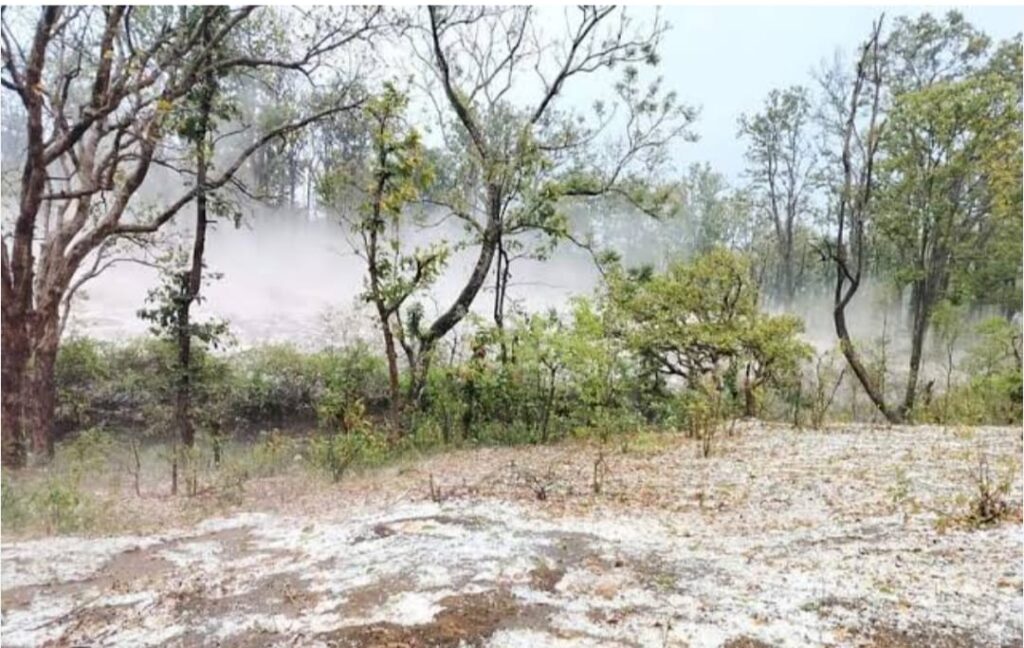
- Winter (October–February): Cold mornings, occasional frost, fog-covered valleys.
Yes, frost. In Chhattisgarh.
Mainpat’s weather isn’t just comfortable—it’s therapeutic, especially if you’re escaping city heat, burnout, or sensory overload.
The Tibetan Connection: A Story of Displacement and Resilience
One of Mainpat’s most defining features is its Tibetan settlement, established in the 1960s after Tibetans fled China.
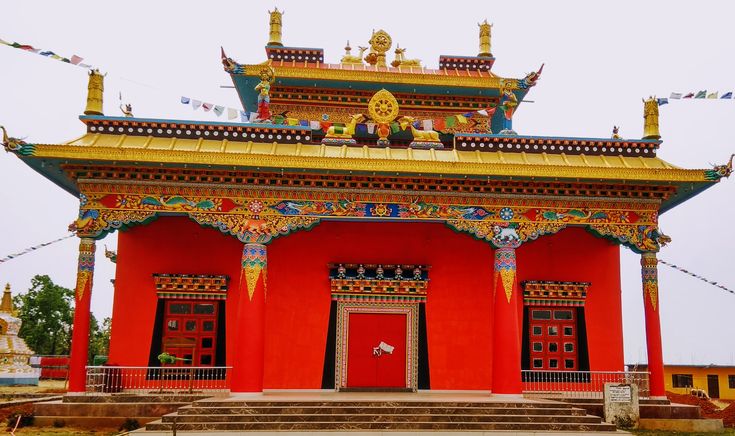
This isn’t a tourist gimmick. It’s a living, breathing community.
What You’ll Notice Immediately:
- Prayer flags fluttering against open skies
- Monasteries sitting quietly among fields
- Elderly Tibetans spinning prayer wheels
- Children speaking Hindi, Tibetan, and Chhattisgarhi with equal ease
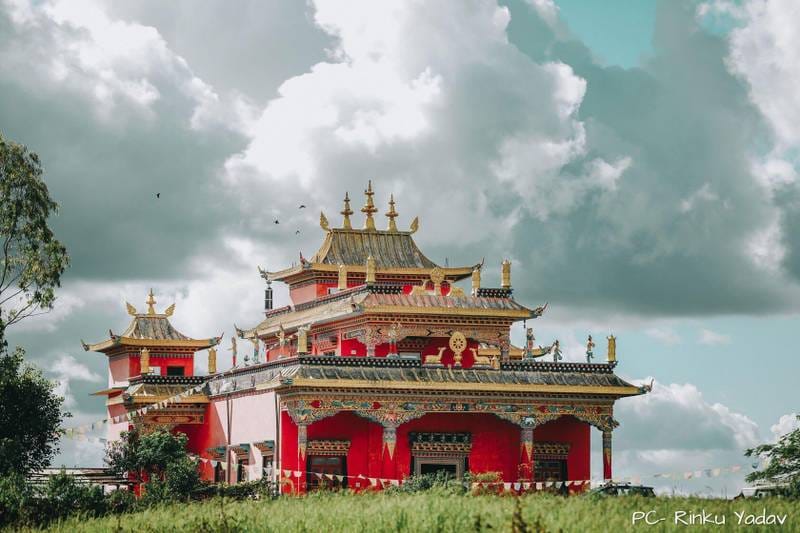
The monasteries—especially the Buddhist Monastery near Tiger Point—are not grand or flashy. They’re modest, peaceful, and deeply spiritual. Sit there for 15 minutes and you’ll understand why Mainpat feels different from other destinations.
This blend of tribal Chhattisgarhi culture and Tibetan Buddhist philosophy gives Mainpat a rare emotional depth.
I hadn’t planned to spend much time at the Tibetan settlement. Like most travelers,
I thought I would visit, observe, move on. Mainpat had other ideas.
The first thing I noticed wasn’t the monasteries—it was the stillness around them. Prayer flags moved in the wind, not as decoration, but as habit. Life here wasn’t arranged for visitors. It simply unfolded.
Inside the monastery, chants filled the space softly, without urgency. Monks moved with a calm that felt practiced over decades, not learned overnight. There was no performance of peace here—only discipline, repetition, and quiet acceptance.
This community arrived in Mainpat carrying loss. A homeland left behind. A future rebuilt slowly on unfamiliar land. And yet, what struck me wasn’t sorrow—it was steadiness.
Children laughed outside, switching easily between Tibetan, Hindi, and the local dialect. Elderly residents spun prayer wheels, eyes focused inward. Resilience here didn’t announce itself. It lived quietly, day after day.
In the rhythm of JatraKatha, this was not just a cultural stop. It was a reminder: displacement does not always result in bitterness, and survival does not always need noise.
Mainpat holds this story gently, without spectacle—just as it holds everything else.
Waterfalls of Mainpat: Not Loud, Just Honest
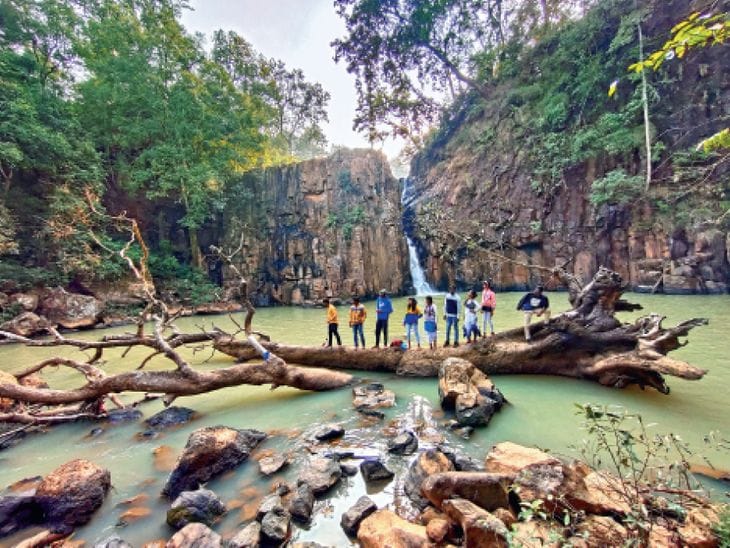
Mainpat has several waterfalls, but none scream for attention. They exist quietly, flowing when the land allows.
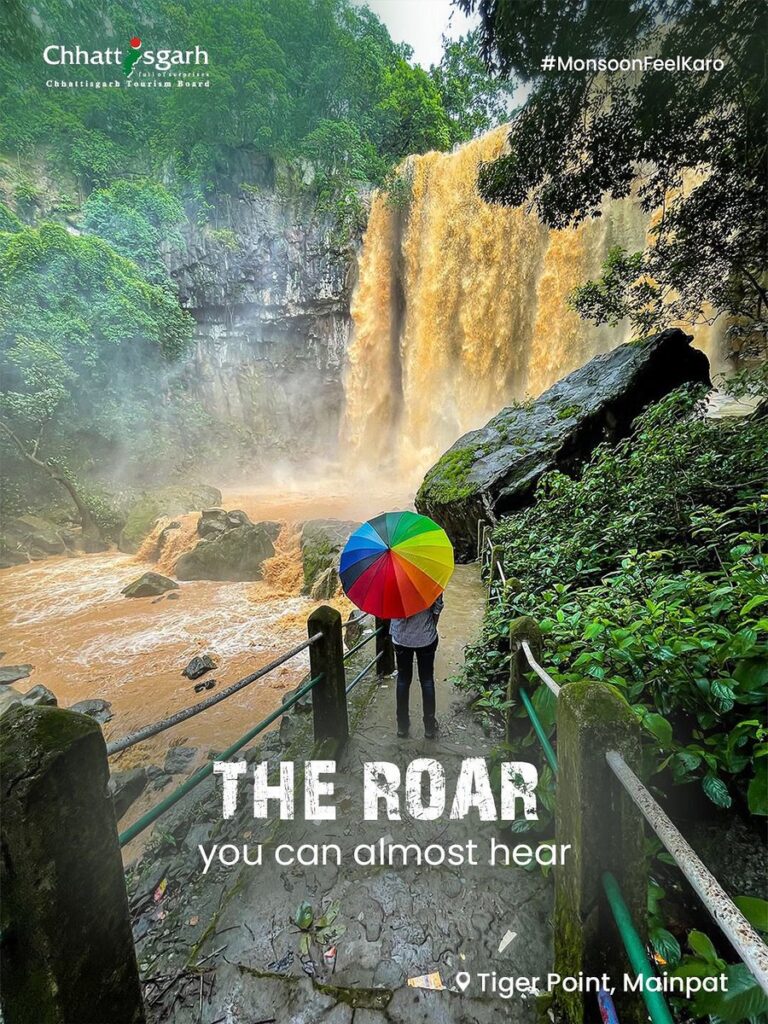
1. Tiger Point: Standing at the Edge Without Needing Answers
Tiger Point was my first deliberate stop. The waterfall wasn’t roaring that day—it was flowing, steady and unbothered.
I stood there longer than I expected. Not taking photos. Just watching water fall because gravity said so.
It hit me then: nature doesn’t perform. It doesn’t care if you’re watching. And that’s why it feels honest.
There were other people around, but no one was loud. Even conversations were softer, like the place demanded respect without asking.
2. Mehta Point: Where the Plateau Teaches You to Stay
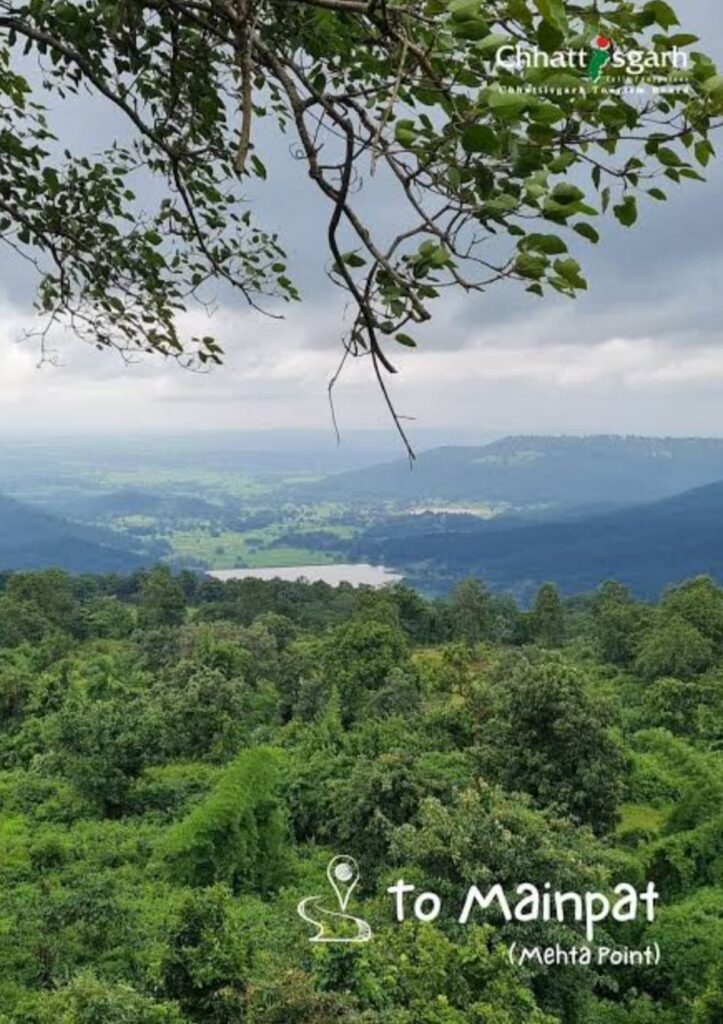
Mehta Point didn’t announce itself. No crowd, no rush, no sense of arrival.
I reached it almost accidentally, following a narrow road that felt more like a suggestion than a direction. The land opened quietly—no dramatic drop, no roaring sound—just an endless stretch of valley breathing under the sky.
This wasn’t a place that demanded attention. It invited stillness.
I sat there longer than planned. Not because there was something to do, but because there was nothing pulling me away. Wind moved through the grass. Clouds shifted slowly, changing the light without urgency. Even my thoughts softened, as if they finally realized they didn’t need to perform.
At Mehta Point, I understood something simple and unsettling: most places rush us because we rush ourselves. Here, the land refused to participate in that habit.
In a JatraKatha journey, Mehta Point is not a highlight—it is a pause. The kind that doesn’t show up in photographs, but lingers long after you leave.
3. Jaljali Waterfall: The Sound that Finds You Late
Jaljali Waterfall isn’t something you arrive at confidently. You hear it first—soft, restless, almost like the land is whispering to itself.
The path toward it felt less like a trail and more like a conversation with the forest. No signboards insisting you’re close. Just wet earth, scattered stones, and the growing rhythm of water breaking against rock.
When Jaljali finally revealed itself, it wasn’t dramatic. It was alive.
Water skipped and tumbled over layers of stone, moving fast but not forcefully—like it knew exactly where it was going. I noticed how the ground around it pulsed gently under my feet, how the air felt cooler, heavier, more awake.
I didn’t stay far from the edge. Jaljali isn’t a place for long contemplation. It’s a reminder of motion—of how even quiet landscapes carry urgency beneath the surface.
In the language of JatraKatha, Jaljali is the heartbeat of Mainpat. Brief, hidden, and easy to miss if you’re not listening closely.
Ulta Pani: When Gravity Takes a Break
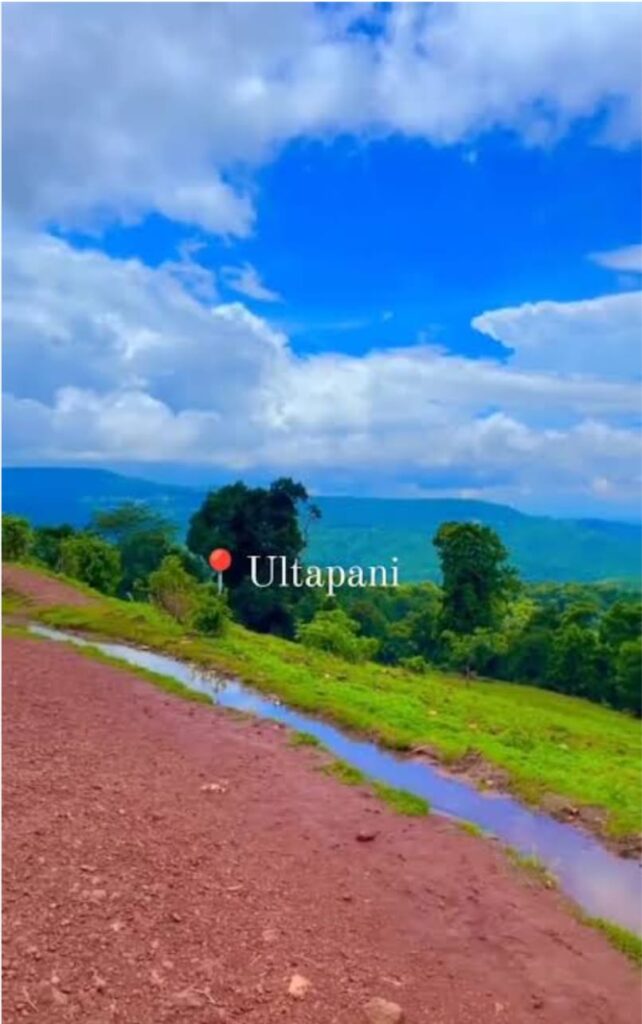
Ulta Pani doesn’t try to impress you. It quietly waits to be noticed.
I stood there watching a thin stream of water appear to move uphill. My first reaction was disbelief, followed quickly by a smile. Logic argued. Eyes disagreed. The land stayed indifferent to both.
People call it an illusion, and they’re right. But standing there, explanation felt secondary. What mattered was the pause it created—the moment where certainty slipped, and curiosity took its place.
Ulta Pani made me realize how often I trust habit over observation. How easily I accept things just because they’ve always appeared a certain way. Here, the land gently challenged that comfort.
In a JatraKatha journey, Ulta Pani is the quiet disruption—the reminder that not everything needs to make sense immediately, and that confusion can sometimes be a teacher.
Culture and Local Life: No Performances, Just Reality
The tribal communities around Mainpat—primarily Uraon, Pahadi Korwa, and other Surguja tribes—live close to the land.
You won’t find staged folk dances every evening. Instead, you’ll see:
- Women collecting forest produce
- Men working fields shaped by the plateau
- Children walking long distances to school
- Weekly haats (markets) where life actually happens
Food is simple:
- Rice
- Local greens
- Mahua-based preparations
- Seasonal vegetables
If you’re expecting “luxury tribal experiences,” you’ll be disappointed. If you’re looking for authentic human rhythms, you’ll feel at home.
What to Do in Mainpat (If You’re Willing to Slow Down)
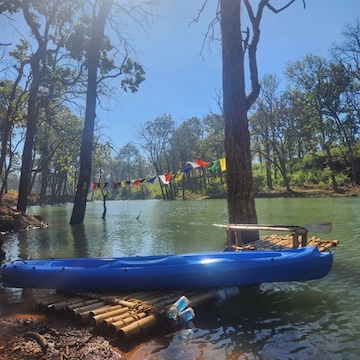
Let’s be clear: Mainpat is not an activity-packed destination.
Things That Actually Matter Here:
- Walking without a destination
- Sitting near a cliff with no phone signal
- Watching fog roll over the plateau
- Listening to monks chant at dawn
- Talking to locals without agenda
This is not a place to consume. It’s a place to absorb.
Best Time to Visit Mainpat
- October to February: Best overall experience—clear views, cold nights, calm energy.
- July to September: For greenery and waterfalls, if you can handle rain and rough roads.
- March to June: Surprisingly pleasant compared to the plains, but drier.
Avoid expecting snow. Frost is the real charm.
Accommodation: Manage Expectations
Mainpat does not do five-star luxury. Period.
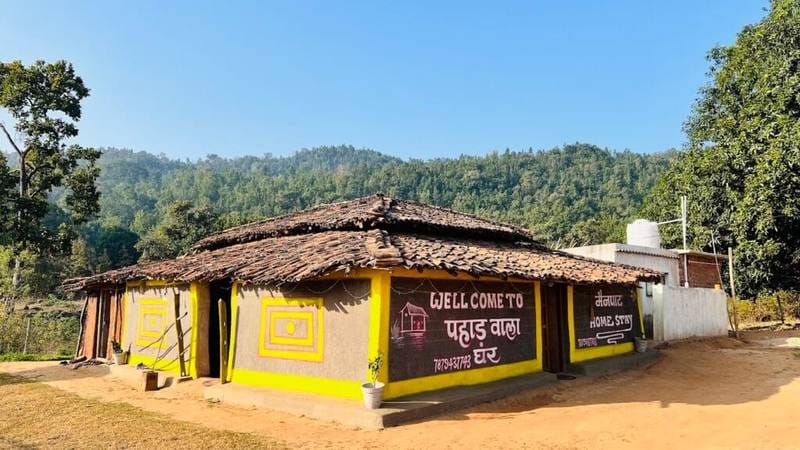
Options include:
- Government rest houses
- Small hotels in Mainpat town
- Basic guesthouses
- Homestays (rare but growing)
Clean, simple, functional. If luxury is a deal-breaker, this destination isn’t for you.
Food: Comfort Over Variety
You won’t find endless café menus. What you will find:
- Freshly cooked rice and dal
- Seasonal vegetables
- Simple Tibetan dishes in the settlement area
- Chai that tastes better because the air is cooler
Eat to nourish, not to impress Instagram.
Responsible Travel: Don’t Ruin What Still Exists
Here’s the brutal truth: Mainpat will only survive if visitors behave responsibly.
That means:
- Don’t litter
- Don’t demand loud entertainment
- Don’t treat locals like exhibits
- Don’t expect instant convenience
Mainpat’s beauty lies in its restraint. Respect it.
Why Mainpat Matters in Today’s India
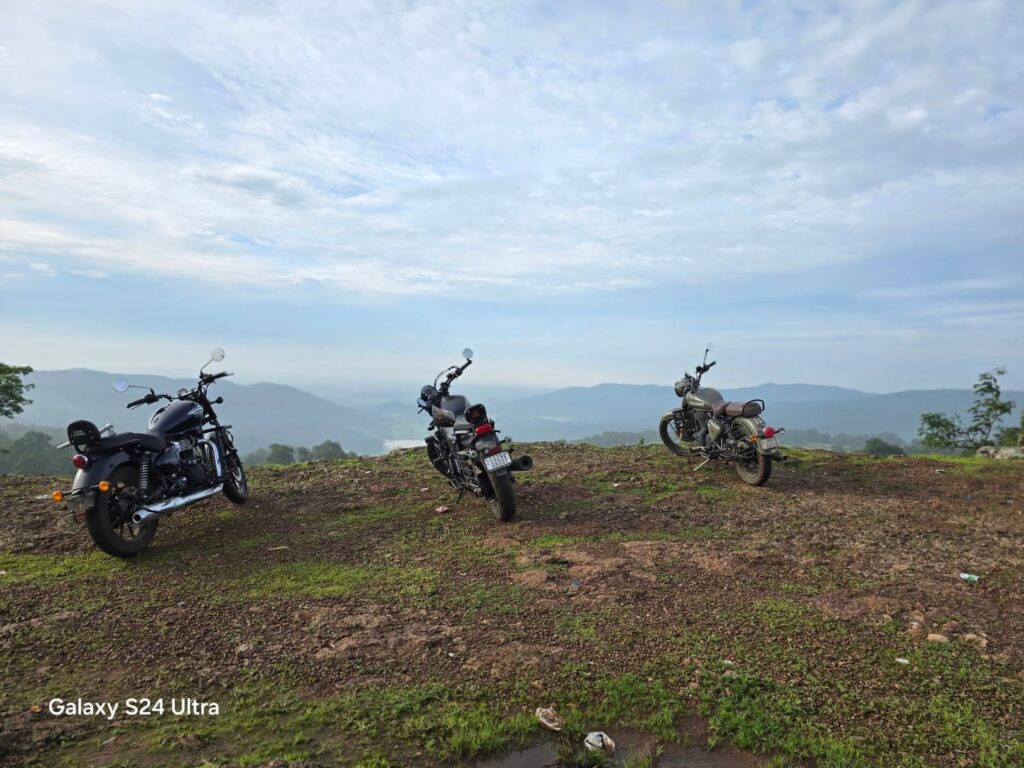
In a country obsessed with speed, noise, and growth-at-all-costs, Mainpat stands quietly in resistance.
It teaches you:
- Slowness is not laziness
- Silence is not emptiness
- Simplicity is not backwardness
Mainpat doesn’t change your life dramatically. It recalibrates you.
Final Thoughts: Who Should Visit Mainpat—and Who Shouldn’t
Visit Mainpat if:
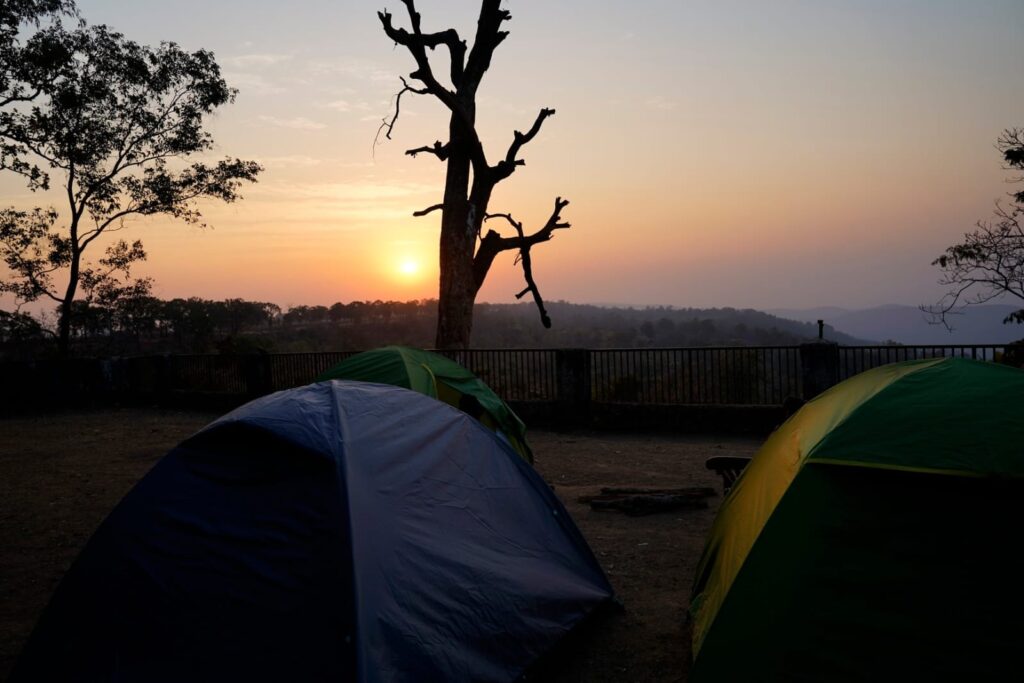
- You’re tired of crowded tourist traps
- You value silence over selfies
- You want real landscapes, not curated ones
- You’re okay being slightly uncomfortable
Skip Mainpat if:
- You need nightlife
- You want luxury resorts
- You get bored without constant stimulation
- You travel only for content creation
Mainpat doesn’t chase visitors. It waits. And only those who arrive with patience truly understand it.